When you’re buying a house to build an ADU in California, judge the buildable area, not the lot size. Before you remove contingencies, check eight things: lot shape, zoning and setbacks, recorded easements, backyard access, the sewer line and electrical panel, fire, flood and coastal zones, whether total rent covers the monthly payment, and an ADU feasibility study done in escrow. A big lot can fail on any one of them.
I’m Dylan Serna, and helping investors buy lots for ADUs in Orange County and LA County is all I do. Below is the checklist I run on every property, plus the Long Beach lot that taught me to read the permit file before I fall in love with a backyard.
The 8-Point Checklist at a Glance
| Check | What you want | Red flag | Where to verify |
|---|---|---|---|
| 1. Lot shape | Rectangular, open backyard, 25+ ft of width where the unit goes | Odd shape, house sits in the middle of the lot | County parcel map, satellite view |
| 2. Zoning and size | Residential zone, room for an 800 sq ft unit inside 4 ft setbacks | Overlay or specific plan with extra rules | City zoning map, planning counter |
| 3. Easements | Nothing recorded across the build area | Utility or drainage easement along the rear or side | Preliminary title report, city permit records |
| 4. Access | Side yard, alley, corner or RV gate | Both side yards under 5 ft, no alley | Tour, satellite view |
| 5. Utilities | 200-amp panel, healthy sewer lateral | 100-amp panel, clay or root-filled sewer | Home inspection, sewer scope |
| 6. Hazard zones | Outside Very High fire, flood and coastal zones | Any of the three over the lot | CAL FIRE map, FEMA map, coastal boundary |
| 7. Numbers | Total rent covers the monthly payment | Negative every month with no appreciation story | Rent comps, lender quote, build bid |
| 8. Escrow plan | Feasibility report before contingencies end | Removing contingencies on a listing’s “ADU potential” | Architect and contractor review |
The 11,000 Sq Ft Long Beach Lot That Looked Perfect
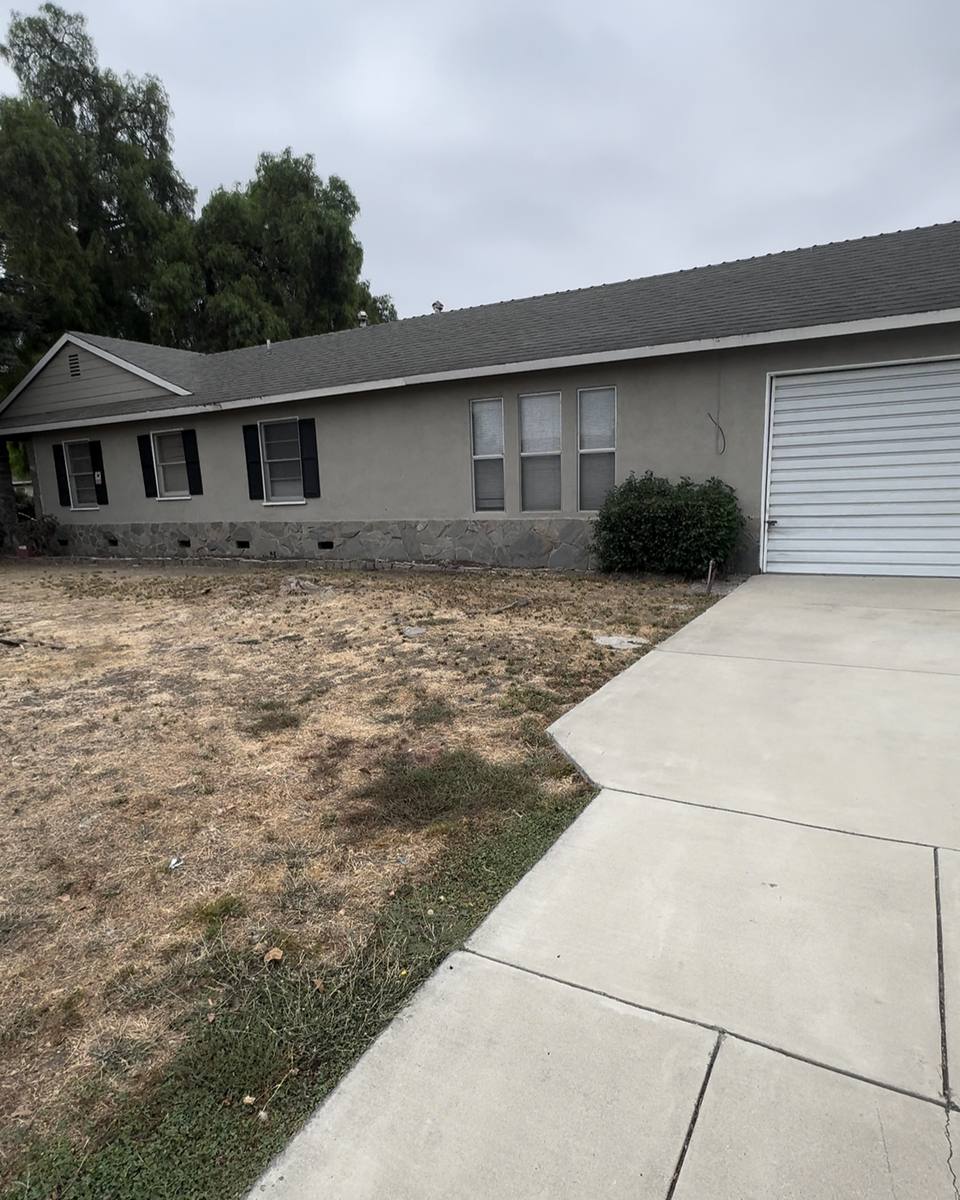
A buyer and I found a property in Long Beach on an 11,000 sq ft lot. On paper it was the lot you hope for. The house sat to one side, and there was more than 25 feet of open width on the right side of the property. Room for a full detached unit with space left over.
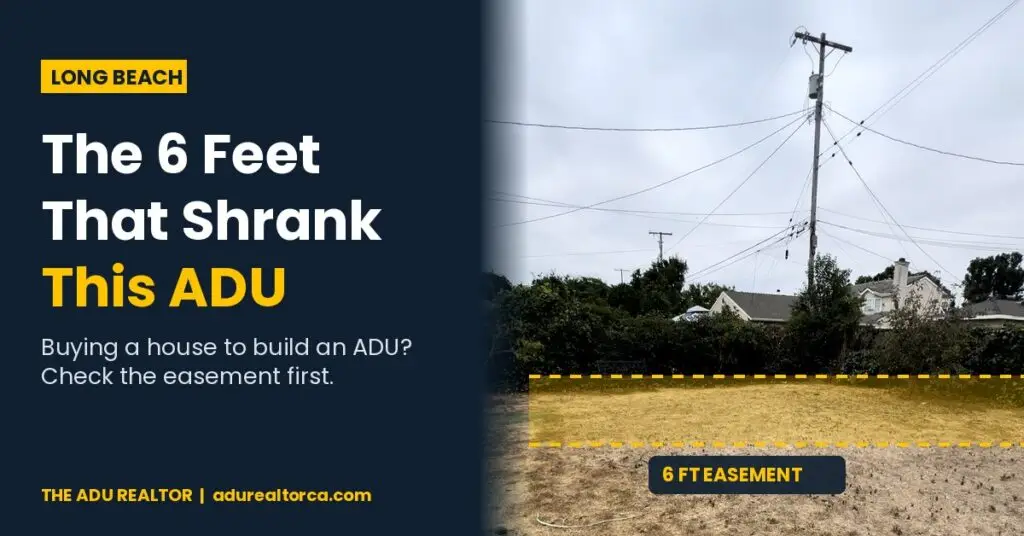
Then I went through the permit records. There was a utility easement tied to the electric poles, and it ran 6 feet into the property right along the side we planned to build on. You can’t put a permanent structure inside a utility easement, so that 6 feet came straight off the buildable area. The lot was still big. The ADU that fit on it got smaller.
Nothing in the listing mentioned it. The yard didn’t look any different standing in it. That’s why I never take a lot’s square footage at face value, and why a feasibility check has to happen before contingencies come off. It’s the same reason I tell buyers to never fully trust “ADU potential” in a listing.
1. Does Lot Size or Lot Shape Matter More for an ADU?
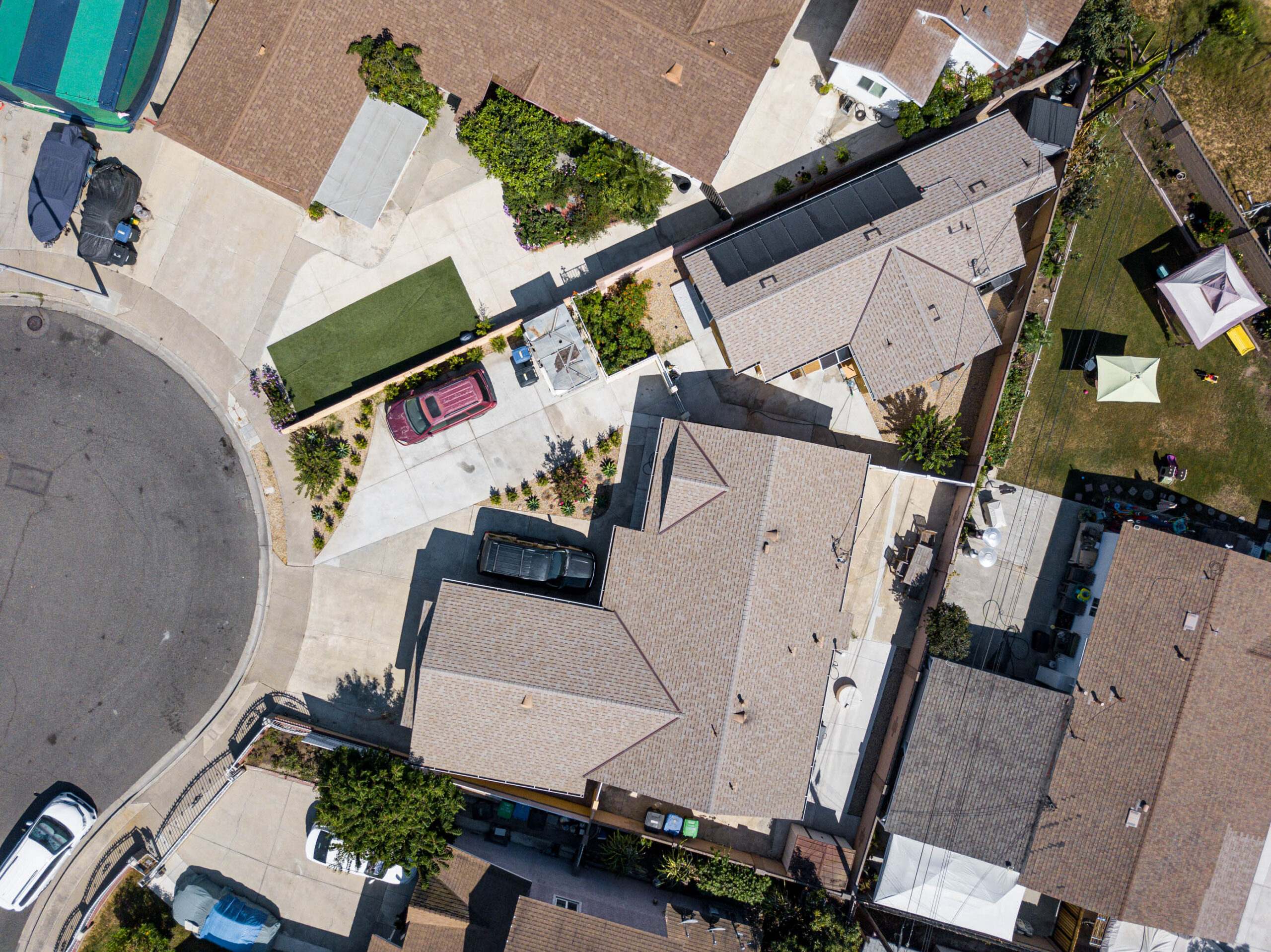
This is where I disagree with most ADU advice. People screen by lot size, usually 6,000 or 7,500 sq ft and up. Lot size gets you on the list. Shape decides whether a unit fits.
I’d take a 6,000 sq ft rectangle with an open backyard and a side gate over a 9,000 sq ft lot shaped like a slice of pie with the house in the middle. What matters is the open area behind or beside the house after you take off 4 feet on the sides and rear, the space between buildings, any easements and the path a tenant walks to their front door.
| Lot A: 6,000 sq ft rectangle | Lot B: 9,000 sq ft irregular | |
|---|---|---|
| Dimensions | 50 x 120 ft | Pie-shaped, narrow at the rear |
| House position | Front of the lot | Centered |
| Open backyard | About 50 x 45 ft | Split into strips on the sides |
| Access | 10 ft side yard with a gate | 4 ft side yards on both sides |
| Likely ADU | Detached 2-bed, about 800 sq ft | Smaller unit, or an attached one |
Pull the parcel map before you tour. The full screening method, including the filters I use on the MLS, is in how to find houses for sale that can fit an ADU.
2. What Zoning Requirements Should You Check Before Buying?
California law requires cities to allow ADUs on lots zoned for residential use that have a house on them, existing or proposed. The details still vary by city, so these are the questions I ask the planning counter about a specific address. The statewide baseline is in the HCD ADU Handbook.
- Zone: single-family or multifamily residential. A multifamily lot can allow more units, which changes the whole plan.
- Setbacks: for a new detached ADU, a city can’t require more than 4 feet from the side and rear property lines.
- Size: state law protects at least an 800 sq ft ADU, even when lot coverage or floor-area rules would otherwise block it. A city can’t cap a detached unit below 850 sq ft for a studio or 1-bed, or 1,000 sq ft for 2+ bedrooms, and many allow 1,200 sq ft.
- Height: at least 16 feet for a detached ADU on a single-family lot. Some lots near transit get 18 feet, and attached ADUs can go higher. Your city’s rule decides whether a two-story unit is possible.
- Parking: many ADUs need no extra parking, such as units within half a mile of transit. Garage conversions don’t have to replace the lost spaces.
- Owner occupancy: cities can’t require you to live on the property for a standard ADU. That’s what makes the investor play work.
- Impact fees: an ADU of 750 sq ft or less is exempt from impact fees. Larger units pay in proportion to the main house. School fees are separate.
- HOA: an HOA can’t ban or unreasonably restrict an ADU on a single-family lot. It can still apply reasonable design rules, so read the CC&Rs.
City rules shift more than people expect. Long Beach, for example, is running on state law right now. Here’s what it means that Long Beach has no local ADU ordinance.
3. Can You Build an ADU on a Utility Easement?
Generally, no. This is the check that cost my Long Beach buyer 6 feet of buildable width. Easements give a utility or a neighbor the right to use part of your lot. You generally can’t build a permanent structure on top of one.
- Look up first. Overhead power lines and poles along the rear or side property line usually come with a recorded easement.
- Read the preliminary title report. Every recorded easement is listed there. Ask for the plotted easement map, not just the list.
- Pull the permit history. That’s where I found the Long Beach easement. Old site plans show what’s been recorded and what’s been built.
- Measure what’s left. The 4 ft setback starts at the inside edge of the easement, not the property line. On the Long Beach lot, that meant 6 ft of easement plus 4 ft of setback, so the ADU couldn’t sit closer than 10 ft to that side of the lot.
- Ask about clearance from the lines. In Long Beach, the overhead power lines belong to Southern California Edison. The utility can require clearance between the lines and a new roof, which can limit a two-story design even outside the easement.
4. Backyard Access and a Separate Tenant Entrance
Access does two jobs. During construction, crews need to get concrete, framing and equipment to the backyard. Afterward, your tenant needs a path to their door that doesn’t run past the main house’s living room. That’s worth real rent.
The lots I like most are corner lots, alley-access lots and homes with an RV gate. If both side yards are under 5 feet and there’s no alley, expect higher labor costs and a less private unit.
5. Will the Sewer and Electrical Panel Handle an ADU?
The costs buyers don’t see coming are usually underground. Many of the older homes I tour in Orange County and Long Beach were built in the 1950s and 60s, and that brings two common problems.
- Sewer lateral: clay pipe with roots is common. The ADU usually ties into the same line, and replacement can run $8,000 to $20,000. Always order a sewer scope.
- Electrical panel: 100-amp service is common on these homes. An all-electric ADU usually means a panel upgrade, sometimes a utility service upgrade. Here’s why I check the electrical panel first on an older home.
- Distance: the farther the ADU sits from the house and the street connections, the longer the trench and the bigger the bill.
One more thing in the backyard to price in: a pool. It isn’t always a dealbreaker. Here’s what to know when an ADU-potential property has a pool.
6. Fire, Flood and Coastal Zones
Each of these can add cost, time or insurance problems. Check all three from your laptop in five minutes before you tour:
- Fire: the CAL FIRE fire hazard severity zone map. Very High zones mean fire-rated construction and harder insurance.
- Flood: the FEMA Flood Map Service Center. Parts of coastal Long Beach sit in flood zones that change foundation design and insurance.
- Coastal zone: near the coast, you may need a coastal development permit, which adds review time.
7. Run the Numbers Before You Write the Offer
What the ADU costs to build
These are the ranges I give buyers on a typical north Orange County or Long Beach lot. Your contractor prices your actual lot during escrow.
| ADU type | Size | Est. build cost | Est. ADU rent |
|---|---|---|---|
| Garage conversion, 1-bed | About 440 sq ft | $120,000 to $150,000 | $2,000 to $2,200 |
| Detached 1-bed | About 600 sq ft | $200,000 to $230,000 | $2,200 to $2,400 |
| Detached 2-bed | About 800 sq ft | $260,000 to $290,000 | $2,700 to $2,900 |
Add a sewer replacement or panel upgrade if the inspection calls for one. A unit of 750 sq ft or less also skips impact fees, which can tip the choice between a 1-bed and a 2-bed.
Does the rent cover the payment?
I keep the math simple: total monthly payment (PITI) against total rent once the ADU is built. Here’s a $1,050,000 house with an 800 sq ft 2-bed ADU built for $275,000, paid in cash.
| 25% down | 50% down | |
|---|---|---|
| Down payment | $262,500 | $525,000 |
| Total cash in (down + build) | $537,500 | $800,000 |
| Monthly payment (PITI) | About $7,110 | About $5,230 |
| Total rent (house $4,100 + ADU $2,800) | $6,900 | $6,900 |
| Rent minus payment | About -$210 | About +$1,670 |
Assumes a 30-year investment loan at 7.75%, property tax at 1.15% of price plus build, and $200 a month insurance. Before vacancy, repairs and management. Your numbers will differ.
Investment loans need at least 25% down. At that level, this deal runs about break-even. That isn’t automatically a bad deal. In a neighborhood that’s moving up, a break-even property with a new unit can be a solid hold for appreciation. Closer to 50% down is where most SoCal ADU rentals start to cash flow. Go in knowing which deal you’re buying.
8. Verify Everything in Escrow, Not After You Close
Your investigation contingency is your window to back out or renegotiate. I use it to run an ADU feasibility study alongside the normal inspections. An architect and contractor lay ADU footprints over the actual parcel, flag easements and utility runs, and put a cost range on each layout. Here’s how I run the ADU feasibility study during escrow, and the paperwork side is in how to verify ADU potential while you’re in escrow.
If the report shows what I found in Long Beach, you still have options: renegotiate the price to match the smaller unit, test another placement, or cancel with your deposit protected.
Red Flags That Should Change the Deal
| What you find | Why it matters | What I usually do |
|---|---|---|
| Utility easement on the build side | Shrinks or blocks the footprint | Re-measure, test other spots, adjust the price |
| Root-filled clay sewer line | $8,000 to $20,000 to replace | Ask for a credit |
| 100-amp panel | Upgrade likely before an ADU | Budget it or ask for a credit |
| Unpermitted work where the ADU would go | Must be legalized or removed first | Price in demo or legalization |
| Very High fire or flood zone | Higher build and insurance cost | Get quotes before contingencies end |
| Build bid well above estimate | Cash flow drops, cash needed rises | Renegotiate or cancel |
For the four traits I look for when I’m first screening a property, see what makes a property have ADU potential.
Frequently Asked Questions
Look at the buildable area, not the lot size. Check the lot’s shape and access, zoning and the 4 ft setbacks, recorded easements, the sewer line and electrical panel, fire, flood and coastal zones, and whether total rent covers the monthly payment. Confirm all of it with an ADU feasibility study before your contingencies end.
Any lot zoned for residential use with a house on it, existing or proposed, qualifies for an ADU under state law. Cities still set details like maximum size, height and design standards, and overlays such as coastal, historic or Very High fire zones can add requirements. Confirm the rules for the specific address with the city’s planning department before you buy.
Cities can’t set a minimum lot size for a standard ADU. In practice, a 6,000 sq ft rectangular lot with an open backyard and side access usually fits a detached 800 sq ft unit. Shape and access matter more than total square footage.
Not inside the recorded utility easement, and the utility can require clearance between overhead lines and the new roof. Power poles along a property line often come with an easement that comes off your buildable area. Check the preliminary title report and the city’s permit records during escrow.
No. California law says an HOA can’t ban or unreasonably restrict an ADU on a single-family lot. It can still apply reasonable design standards, so review the HOA’s governing documents before you buy.
Investment loans need at least 25% down, plus cash or financing for the build. In Southern California, most properties start to cash flow closer to 50% down. At 25% down, expect about break-even, which can still make sense as a long-term hold.
Find a Lot That Actually Fits Your ADU
If you’re planning to buy in Orange County or LA County and add an ADU, we’ll start with your goals, your all-in budget and the lot types worth touring. Then I’ll run this checklist on every property before you write an offer.
👉 Book a buyer ADU consult call to go through your options with Dylan
Want to see what’s on the market now? Browse current ADU homes for sale.
Prefer to talk now? Call Dylan Serna, ADU Realtor at 714-860-2868.
Dylan Serna | The ADU Realtor | eXp Realty | DRE #02217359
This post is general information, not legal, tax or financial advice. Cost, rent and payment figures are examples. Confirm the numbers and ADU rules for any specific property before you buy.